Featured article
What Size Solar System Do I Need in Sydney?
Compare 6.6 kW, 10 kW and larger systems using your bills, usage timing, roof, shading, future loads and local network settings.
Published 17 August 2026
Read the solar sizing guide
Featured article
Compare 6.6 kW, 10 kW and larger systems using your bills, usage timing, roof, shading, future loads and local network settings.
Published 17 August 2026
Read the solar sizing guide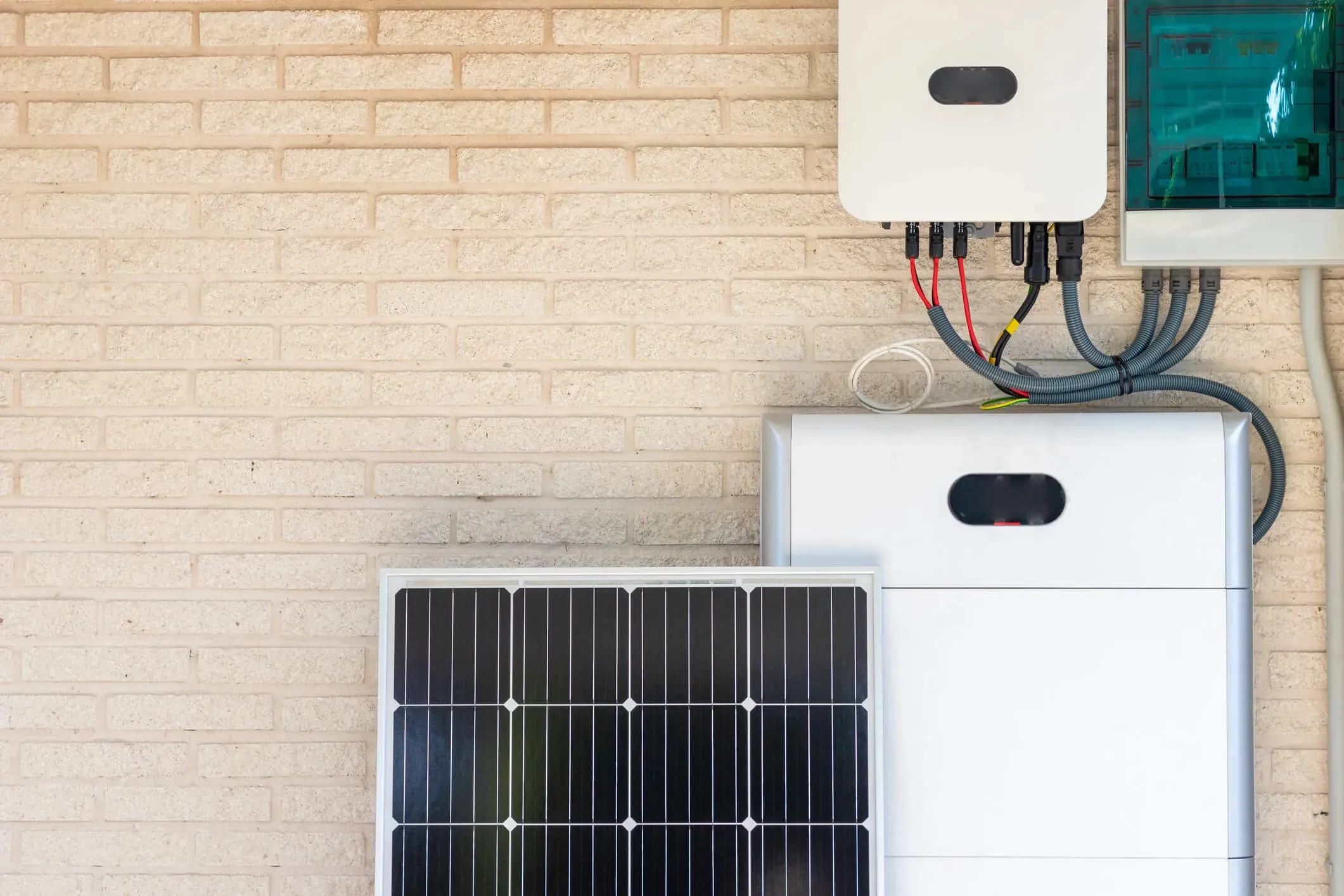
More homeowner guidance
Understand battery value, payback factors, backup design and what to check before accepting a quote.
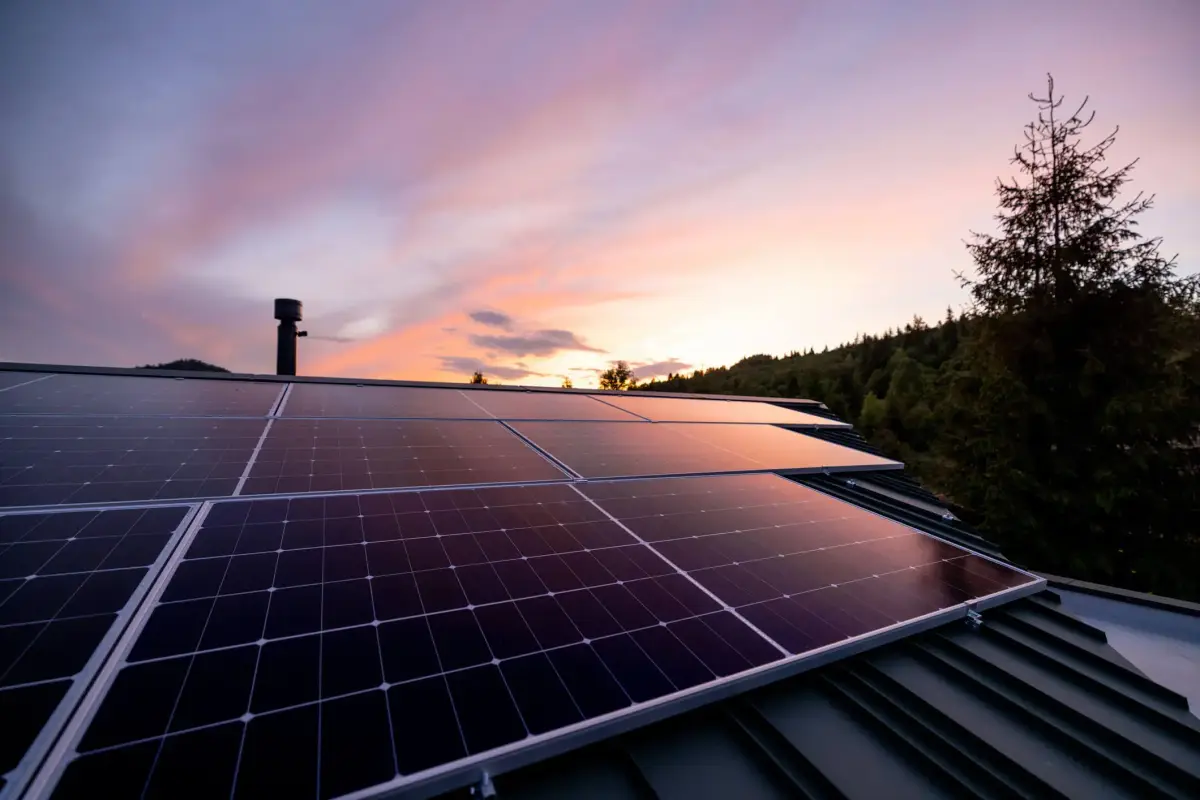
Read the battery guideSolar panels are made up of photovoltaic (PV) cells. These cells absorb sunlight, and the energy from the sunlight knocks electrons loose from their atoms, creating an electrical current.
The electricity generated by solar panels is direct current (DC). Since most homes and businesses use alternating current (AC) electricity, an inverter is used to convert DC into AC.
The AC electricity is sent to your home's electrical panel (circuit breaker box), where it powers your appliances and devices.
If your system includes a solar battery, any excess energy generated during the day can be stored for use at night or during a power outage. Batteries increase energy independence and ensure a more stable power supply.
Modern solar systems often include monitoring tools to track energy production and usage. Solar panels require minimal maintenance, usually just occasional cleaning to remove dirt or debris.
Discover solar power's unmatched benefits: renewable energy, reduced bills, and eco-friendly solutions.
Abundant sunlight: Renewable energy
Cost savings: Lower bills
Enhanced property value: Attractive investment
Eco-friendly: Reduces carbon footprint
Energy independence: Grid alternative
Minimal maintenance: Long-lasting systems
Eligible small-scale solar installations can create Small-scale Technology Certificates. Retailers commonly assign their value as an upfront discount shown in the quote.
The Australian Government's Cheaper Home Batteries Program supports eligible small-scale batteries through the Small-scale Renewable Energy Scheme. Current rules apply at installation.
Approved products, installation requirements, system size, connection timing, location, and installer eligibility can affect support. Check the current program before proceeding.
The proposal should identify the certificate or program value applied, the assumptions used, what happens if eligibility changes, and the price before and after support.
A rebate or certificate discount is different from a loan. Compare the total amount repayable, fees, interest, term, and ownership conditions before selecting finance.
Federal, state, council, and retailer programs can open, close, or change. Use official government sources and confirm eligibility when the quote is prepared.
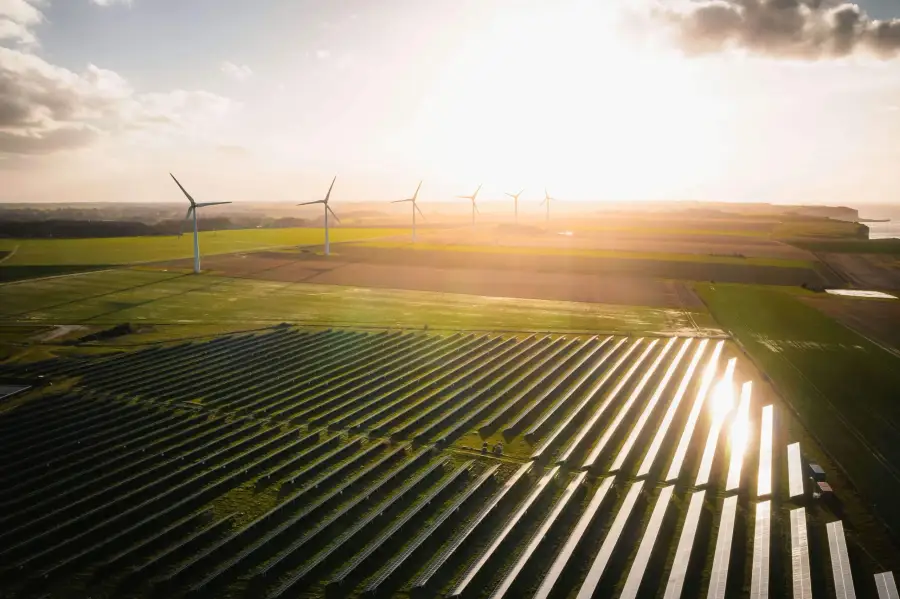
Commercial solar in Sydney can reduce operating costs for offices, warehouses, retail sites, and multi-site businesses. KEG Solar reviews usage patterns, roof capacity, metering, and maintenance needs before recommending a system. Open our commercial solar page for the full category process and next steps.
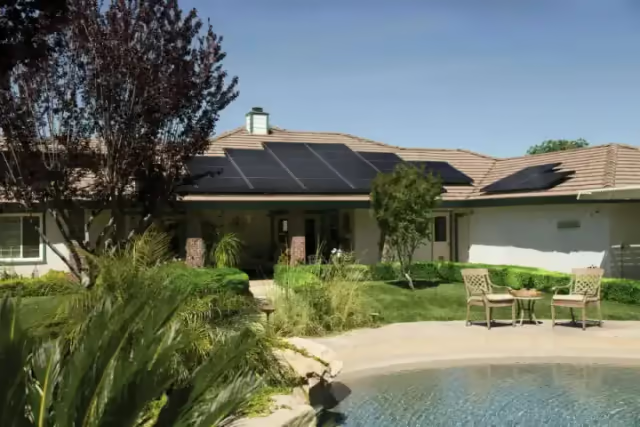
Residential solar in Sydney needs to suit roof space, daily energy use, shade, and future battery plans. KEG Solar helps homeowners compare panel options, understand expected output, and choose a practical system for the property. Open our residential solar page for household design, cost, and installation details.
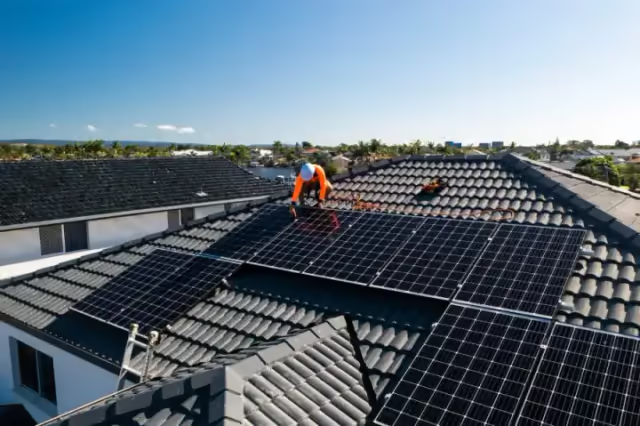
Solar maintenance in Sydney protects system performance after installation. KEG Solar helps with inspections, fault checks, cleaning guidance, inverter concerns, and production reviews so panels keep working as expected. Open our solar maintenance page to see how servicing supports output, safety, and long-term reliability.

KEG Solar provides residential and commercial solar, batteries, upgrades, maintenance, and system support from published locations in Campbelltown and Burleigh Heads.
© 2026 KEG Solar. All rights reserved.